

For many Dutch webshops, Belgium is the first step towards international growth. It makes sense: Belgium is an attractive market, close to home and, for Dutch businesses, doesn’t involve complex customs procedures. But shipping parcels to Belgium works a little differently from domestic shipping. Local payment methods such as Bancontact, a preference for pickup points and communication tailored to Belgian customers all play a role.
In this article, you’ll learn what you need to consider when expanding into the Belgian market.
Why ship to Belgium?
Belgium has long been a popular next step for growing Dutch webshops. The language barrier is relatively low, purchasing power is high and the e-commerce market continues to grow. Flanders in particular offers opportunities for Dutch businesses.
Belgian customers expect clear communication, reliable delivery and straightforward returns. Meeting those expectations can help increase repeat purchases and positive reviews.
What should you consider when shipping to Belgium?
Shipping to Belgium has a lot in common with domestic shipping, but there are several differences that can directly affect both the customer experience and your operations.
Tip 1: Delivery times and shipping options.
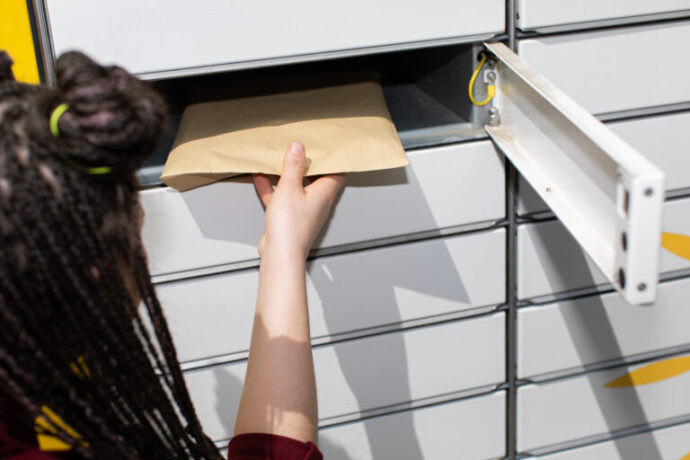
Parcels to Belgium are usually delivered within 1 to 2 working days. Belgian customers also value flexibility, with options such as home delivery, pickup points and weekend delivery. Offering different delivery options can reduce failed delivery attempts and give customers more control over how they receive their orders.
Tip 2: Language and communication: speak your customer’s language.
Dutch is widely spoken in Flanders, but tone and wording still matter. Flemish customers generally expect clear, polite communication that can be slightly less direct than Dutch customers are used to.
Emails, order confirmations and return instructions should also reflect local language preferences. Selling to customers in Wallonia as well? Make sure French translations are available throughout the customer journey, from product pages and checkout to Track & Trace updates and return communication.

Tip 3: Payment methods: adapt to local preferences.
Bancontact is an important payment method in Belgium and familiar to Belgian consumers. If you don’t offer it, you may create unnecessary friction at checkout.
Other options to consider include Payconiq and credit cards such as Visa and Mastercard, which are more commonly used in Belgium than in the Netherlands.
Tip 4: Track & Trace and customer updates.
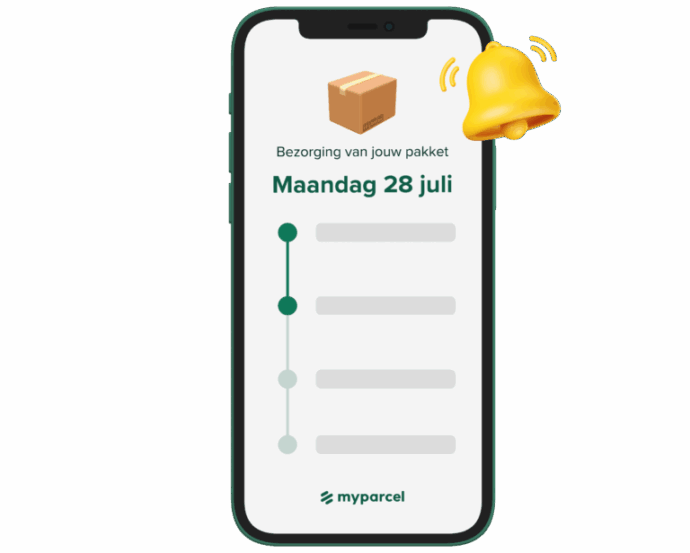
Once an order crosses the border, clear communication becomes even more important. Track & Trace updates in the customer’s preferred language help them understand where their parcel is and when to expect it. This can also reduce delivery-related questions for your customer service team.
By connecting your webshop to a shipping platform, you can automate much of this communication.

Tip 5: Returns from Belgium.
A straightforward returns process is particularly important when shipping internationally. Give Belgian customers an easy way to register a return through a returns portal and drop off their parcel at a nearby service point.
This lowers the barrier to purchasing while giving you more control over returns, stock and the customer experience.
How do you make shipping to Belgium scalable?
Whether you ship 5,000 or 50,000 parcels a year, a process that can handle increasing volumes helps reduce unnecessary manual work and errors. The right shipping software can automate a large part of your logistics without adding more work for your team.
A platform such as MyParcel can help with:
- Automatic label creation and shipping rules
- Direct integration with your webshop
- Real-time insight into shipping performance
- Access to multiple carriers
- Multilingual Track & Trace and returns
What if you’re not shipping large volumes yet?
You don’t need your own carrier contracts or a complex technical setup to start shipping professionally to Belgium.

Tips for smaller webshops
- Choose a flexible shipping platform. Access competitive shipping rates and multiple carriers without unnecessary commitments.
- Automate where it makes sense. Automatic labels, Track & Trace updates and returns management reduce manual work.
- Plan for growth from the start. Set up your processes so they can handle higher volumes without having to rebuild everything later.
- Choose plug-and-play integrations. Use shipping software that connects directly to your webshop platform and supports the delivery options you need in Belgium.
This helps you provide a professional customer experience at lower volumes while creating a solid foundation for future growth.
Selling successfully in Belgium takes more than shipping.
A well-organised shipping process is only part of entering the Belgian market. Language, payment methods and customer communication matter too. Set up your webshop and shipping process around those local expectations, and you create a stronger basis for conversion, customer satisfaction and repeat purchases.
In short: shipping parcels to Belgium requires a little more preparation than domestic shipping. With the right shipping setup, local payment options and communication tailored to Belgian customers, international shipping can support your growth rather than add complexity.
Ready to make your shipping to Belgium more efficient and scalable? Request a no-obligation quote and see how MyParcel can help you automate processes, reduce costs and improve the customer experience in Belgium.